




The Future of Fashion: Discover the 5 Perks of Plant Protein Material for a Handbag
In the rapidly evolving world of sustainable fashion, a quiet revolution is taking place in the accessory aisle. For years, consumers have sought alternatives to traditional animal leather, driving the popularity of materials broadly known as “vegan leather“. While this term initially included synthetics like polyurethane and PVC, which are animal-free, they often carry their own environmental burdens.
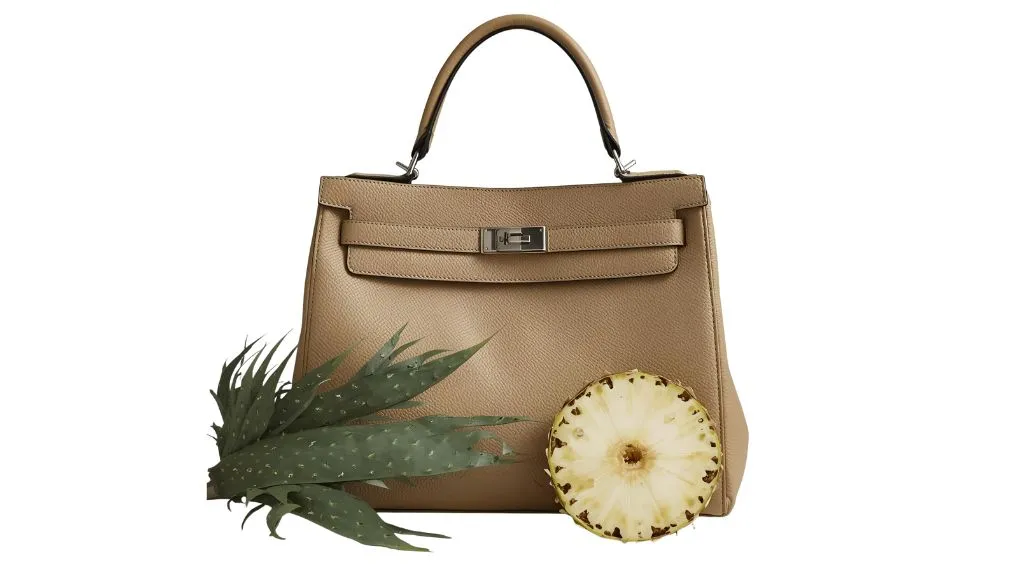
Enter the game-changer: Plant Protein Material for a Handbag. This innovative material is typically made from plant-based sources such as pineapple, coconut, or cactus, or bio-engineered proteins.
This category of leatherette represents the pinnacle of conscious luxury. It offers a similar appearance and texture to traditional leather, but without the ethical and significant environmental footprint. This is the material that truly bridges the gap between high-end design and deep-seated sustainability values. It is a smart, marketable choice for small goods manufacturers.
This definitive guide will dive deep into the extraordinary advantages of this next-generation textile. We will explore the 5 Perks of Plant Protein Material for a Handbag, demonstrating why this choice is not just a trend, but the essential foundation for a more ethical and sustainable future in fashion, and why it is the right choice for your next high-quality purchase.
Perk 1: Ethical & Environmental Superiority (The Market Driver)
The primary appeal of plant-based leather stems from its ethical and environmental credentials. For consumers who prioritize their values, this is the non-negotiable advantage that drives purchasing decisions.
An Uncompromisingly Cruelty-Free Choice
Plant Protein Material for a Handbag is a type of leather made without the use of any animal products. This material completely severs the link to the meat industry and animal agriculture, which is considered one of the leading causes of global warming. By choosing this material, you are opting for a cruelty-free product and aligning your fashion with a clean conscience.
- Cleaner Production Methods: Producing traditional leather involves chemical processes such as tanning and dyeing. In stark contrast, plant-based vegan leatherette can be manufactured using more sustainable methods that do not produce harmful emissions.
Capitalizing on the Consumer Demand for Sustainability
The shift towards these materials is not just a moral choice; it is driven by a massive market trend. Consumers across all generations—from Baby Boomers to Gen Z—are now willing to spend more on sustainable products.
- Willingness to Pay: The market shows strong financial support for sustainability. For example, 90% of Gen X consumers said they would be willing to spend at least 10% more on sustainable products.
- Motivations: The desire to help the environment was the primary reason consumers purchase sustainable products and brands. Almost 30% of consumers state they want to improve the environment, while 23% wish to reduce production waste, and 22% want to reduce their carbon footprint. Furthermore, 17% are concerned with animal welfare.
- Industry Growth: This market sentiment is transforming retail. The green technology and sustainability market was estimated to be more than $15.85 billion in 2022 and is projected to grow at a rate of 22.4% between now and 2030. Companies like Patagonia and Native Shoes have already demonstrated how to build a brand based on prioritizing the planet.
Perk 2: Exceptional Manufacturing Efficiency and Cost Predictability
This advantage speaks directly to the quality and cost control that benefits both the manufacturer and, ultimately, the final consumer through consistent quality and reduced waste.
Uniformity Equals Superior Yield and Less Waste
Traditional animal leather is a natural product, meaning every hide is unique, often carrying visual imperfections such as scars, bug bites, and tick infestations. This irregularity necessitates cutting around flaws, leading to manufacturing waste.
- High and Predictable Yield: Because vegan leather is uniform, there are no scars or bites to avoid. This guaranteed consistency makes the cutting yield far more predictable, drastically improving efficiency for manufacturers.
- Better for Small Goods: This uniform finishing and predictable yield work especially well for small goods manufacturing, including handbags, wallets, and leather embellishments.
Favorable Cost Structure Drives Adoption
Generally, plant-based leather is cheaper to produce than traditional leather. This is a major factor driving the quick adoption of this material across the fashion industry.
- Lower Input Costs: Products like mushrooms, pineapples, and cacti require less room, water, and time to mature than cattle. Additionally, plant-based leathers are often produced from the waste parts of plants. For example, Piñatex utilizes the waste parts of pineapple plants.
- Specific Price Comparison: While some newer sources are still developing, the cost value is clear. A 20 square foot cowhide costs around $150, while Pineapple leather of the same size costs approximately $65. Even premium mushroom leather from developers like Bolt Threads is projected to cost about $25 a square foot, placing it on par with premium calf leather.
Companies like Adidas and Gucci have recognized this cost value and are actively collaborating on new lines of mushroom leather.
Perk 3: Durability Engineered for Modern Life
The old concern that vegan leather lacks durability is primarily associated with older PVC alternatives. Modern Plant Protein Material for a Handbag shows significant promise as a durable alternative to animal leather.
Engineered Strength and Resilience
Plant-based leathers leverage the strength of their natural fibers to create a resilient product, engineered to be just as durable as animal leather.
- Piñatex: Due to the high cellulose content and tensile strength of pineapple leaves, products made with Piñatex are durable and long-lasting.
- Desserto® Cactus Leather: This material has shown remarkable durability, withstanding daily wear and tear without significant degradation. Its combination of flexibility and strength makes it ideal for accessories that require long-term use.
Short-Term Ease and Maintenance Advantages
When directly compared, plant-based materials offer key maintenance advantages that appeal to the busy modern consumer:
| Comparison | Animal Leather | Plant-Based Vegan Leather |
| Durability | More durable in the long term | Less delicate in the short term |
| Cleaning | Needs specialized cleaning care | Can be cleaned with a wide variety of alcohol-based products |
| Malleability | Stretches and Shrinks Naturally | Malleability stays consistent |
While high-end leather is undeniably tough, it is also sensitive to temperature fluctuations and can show stretch marks over time. The ease of cleaning for plant-based materials makes them a practical, worry-free choice for daily-use items.
Perk 4: Consistent Feel and Aesthetically Versatile
The consistency achieved in the manufacturing process gives designers and consumers reliable quality and allows for greater creative expression.
Reliable and Beautiful Finishing
The uniform finishing of plant-based leather means that every piece of a handbag will look identical and flawless. This consistent texture and color enhance the overall premium feel of the final product. Other small goods manufacturers and fashion brands are actively turning to new materials like cactus leather, leather made from cereal crops, and even apple peel leather.
Designed for Modern Use and Comfort
The unique qualities of plant-based leather, such as its lightness and engineered flexibility, are excellent for modern bag styles.
- Ergonomics and Style: When asking how to wear a cross body bag for a female consumer, the choice of material is key. Lighter, more flexible materials allow a crossbody bag to drape naturally and comfortably across the body, enhancing the style without the bulk of a heavy, rigid material.
- Application Range: Desserto® Cactus Leather offers a unique advantage over other vegan leathers because it is flexible and durable, making it applicable to a wide range of leather goods.
Perk 5: The Right Choice: A Balanced Perspective on Next-Gen Materials
Ultimately, plant protein material is not just a replacement for traditional leather; it is a superior, forward-looking material that addresses consumer values and modern manufacturing needs. Making the right purchasing decision requires a balanced view that understands both the immense upside and the current technical trade-offs.
Understanding Current Material Trade-Offs
Customers should be aware of a few current technical trade-offs compared to traditional leather:
- Malleability and Softness: Traditional leather tends to soften, but plant-based malleability stays consistent. Some consumer reviews mention that vegan leather is less breathable or malleable than traditional leather, which absorbs water.
- Handling in Production: Vegan leather can also be more challenging to work with and is often less forgiving than real leather when it comes to mistakes.
- Durability Over Time: While animal leather is generally more durable in the long term, plant-based leather is less delicate in the short term. It is important to remember that this technology is still developing.
The bottom line for customers seeking the right choice is this: if you want a handbag that is durable, ethically flawless, easy to clean, cost-effective, and has a consistent, high-end look that lasts, plant protein material is the definitive choice.
The New Era of Conscious Fashion
The choice of a handbag is a powerful one. It reflects not only your aesthetic taste but also your values. The 5 Perks of Plant Protein Material for a Handbag—its ethical integrity, environmental excellence, superior efficiency, durability, and commercial backing—make it the undeniable choice for the future.
This material proves that sustainability does not mean sacrifice; it means superior design and smarter manufacturing. By choosing a handbag made from plant protein material, you are investing in a product that is not only stylish and durable but also actively contributes to a better world.
Are you ready to embrace the elegance and ethics of this next-generation material and carry your values with you every day?
Contact Us to explore our curated collection of plant protein handbags and join the movement toward truly sustainable luxury.
This eco-friendly material is surprisingly versatile. Whether you are designing a casual shopper or a sleek pouch, it adapts well to various shapes. See how it fits into different types of handbags and purses in our 2026 manufacturing guide.
Frequently Asked Questions (FAQs) About Plant Protein Handbags
Is “Plant Protein Material” the same as general “Vegan Leather”?
No. Vegan leather is a type of leather made without animal products. It is typically made from synthetic polyurethane, PVC, or plant-based materials. Plant protein material (plant-based leather) is a subset of vegan leather, which has many advantages over traditional leather and PVC leather in small goods manufacturing.
How long do these plant-based handbags typically last?
Plant-based leather shows promise as a durable alternative to animal leather. High-quality animal leather can last for generations if proper care is taken. While animal leather is more durable in the long term, plant-based leather is less delicate in the short term. Desserto® Cactus Leather has shown remarkable durability.
What is the best way to clean and care for a Plant Protein Handbag?
Care is often simpler than for animal leather. Unlike traditional leather, which needs specialized cleaning care, plant-based vegan leather can often be cleaned with a wide variety of alcohol-based products.
How does the price of plant-based leather compare to traditional leather?
Generally, vegan leather (specifically plant-based leather) is cheaper than traditional leather. This is because plant-based leathers are often produced from waste parts of plants, and require less room, water, and time to mature than cattle. However, some new plant sources may be similar to animal leather in price.
What are the benefits of vegan leather?
The primary benefits of vegan leather are that it is environmentally friendly and ethically superior (cruelty-free). Additionally, it is typically less expensive to produce than traditional leather, can be just as durable as animal leather, and offers superior manufacturing predictability due to its uniform finishing.