


Eco-Friendly Materials & Vegan Leather: Unlocking the Future of Handbag Manufacturing
B.S. Bag Factory understands that material choice is crucial for brand positioning and product quality. With increasing global consumer interest in sustainable development, vegan leather and other eco-friendly materials are no longer niche options but an irreversible trend in the industry. This article will provide a professional B.S. Bag Factory perspective, delving into the processes and characteristics of various vegan leather types and their value in handbag production, to help brands make informed decisions.
Table of Contents
What is Vegan Leather? The Key Differences from Genuine Leather
Vegan leather, also known as artificial leather or a leather substitute, is a material designed to mimic the look, feel, and function of traditional leather without using any animal products. This is a fundamental distinction from “veg-tan leather,” which, despite using plant-based materials for its tanning process, still originates from animal hides. The rise of vegan leather provides a cruelty-free, fashionable alternative for consumers who are vegan or animal advocates.
Compared to the complex processes of tanning and dyeing genuine leather, the manufacturing of vegan leather is more modern and diverse. It primarily uses technologies like polymerization, coating, and embossing to process natural or synthetic materials into a leather-like texture. This production method not only significantly reduces harm to animals but also offers designers a wider creative scope for their custom bags.
A Deep Dive: The Processes and Pros & Cons of Different Vegan Leather Materials
Plant-Based Vegan Leather: The Vanguard of Green Innovation
Plant-based vegan leather represents the highest level of sustainable materials. They are typically sourced from renewable resources and are often biodegradable.
- Piñatex (Pineapple Leaf Fiber): Piñatex is an eco-friendly material made from pineapple leaf fibers. The process involves collecting pineapple leaves as a byproduct, extracting the fibers, and then degumming, drying, and forming them into a fibrous mat before coating and embossing. This material is natural, highly breathable, and biodegradable, making it an excellent choice for balancing sustainability with aesthetics in handbag production.
- Mylo (Mushroom Mycelium): Mylo is made from mycelium, the root structure of mushrooms. It is cultivated in a controlled indoor environment, where the mycelium grows into a leather-like sheet, which is then processed further. Mylo is soft, highly eco-friendly, but currently has a higher cost and technical barrier.
- Cork Leather: The production process for cork leather is unique. It’s harvested from the bark of cork oak trees without harming the tree itself. The bark is then sliced, pressed, and bonded with other materials. Cork leather is lightweight, waterproof, elastic, and fully renewable, making it very suitable for handbag manufacturing.
- Apple Leather: This is an innovation that transforms the waste from the apple juice industry—peels and cores—into a durable material. It offers a prime example of waste utilization in creating eco-friendly materials.
Synthetic Vegan Leather: The Evolution of Mature Technology
Synthetic vegan leather is the most common type on the market. Its technology is mature, and its cost is relatively manageable.
- PU (Polyurethane) Leather:PU leather is a mainstream choice for handbag manufacturing. Traditional production involves coating a base fabric with PU resin through wet or dry processes, followed by embossing to mimic leather grain. To address environmental and health concerns associated with traditional PU production’s use of organic solvents, the industry has developed several types of eco-friendly PU:
- Water-based PU: This is a revolutionary technology, using water instead of organic solvents to significantly reduce VOC (volatile organic compounds) emissions, making it more sustainable.
- Recycled PU: This uses recycled plastics or other waste as raw materials, reducing dependence on virgin petroleum resources and giving waste a new life.
- Bio-based PU: This uses renewable biomass like corn and soybeans to partially or completely replace petroleum-based components, further reducing the carbon footprint.
- High-quality, eco-friendly PU maintains the classic advantages of softness, durability, and easy cleaning while meeting brands’ needs for sustainability, making it an ideal choice for high-end markets and eco-conscious brands looking for custom bags.
- PVC (Polyvinyl Chloride) Leather: PVC leather is produced by calendaring or coating a PVC compound onto a base fabric. While it is inexpensive, highly durable, and waterproof, its production involves chlorine and other harmful chemicals, making it less eco-friendly, and it can release toxic gases with poor breathability. Many eco-conscious brands are moving away from PVC unless there is a specific functional need for its properties.
How to Choose the Right Vegan Leather for Your Handbag Brand?
From B.S. Bag Factory’s perspective, material selection is not just a matter of cost but a comprehensive decision that impacts brand identity, design aesthetics, and functionality.
- Brand Positioning: If your brand is positioned as high-end and sustainable, then plant-based vegan leather (like Piñatex or Mylo) or high-quality eco-friendly PU will be ideal. If the target market is mass consumption, a more cost-effective eco-friendly PU will be a better fit.
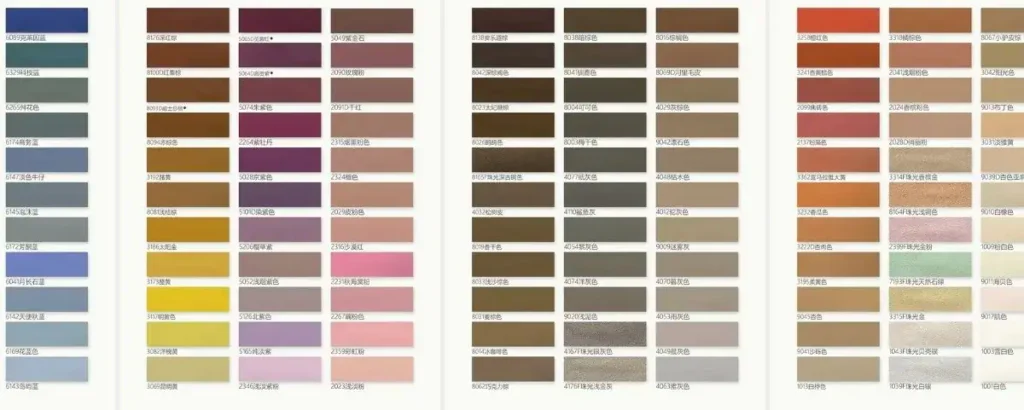
- Customization Needs: Different materials have unique characteristics for embossing, color, and thickness. B.S. Bag Factory, as a handbag factory specializing in OEM/ODM services, can provide professional material consultation based on your design sketches and size requirements, and support sample production to ensure the final product meets your expectations.
- Functional Considerations: Consider the final use of the handbag. A daily commuter bag needs to be durable and easy to clean, while a travel bag requires waterproof and lightweight properties. Based on these needs, B.S. Bag Factory can recommend the most suitable vegan leather material for your custom bags.
Expert Tips: How to Care for Your Vegan Leather Bag
Proper care is key to extending the life of your vegan leather bag.
- Cleaning: Use a soft, damp cloth to wipe the surface. Avoid using harsh chemicals or abrasive materials, as they can damage the coating. For stubborn stains, a mild soap solution and a soft cloth can be used for spot cleaning.
- Wrinkle Removal and Storage: If the bag develops wrinkles, you can use a handheld steamer from a safe distance or a low-heat iron with a cloth placed over the wrinkled area. For storage, stuff the bag with soft materials like towels or tissue paper to help maintain its shape.
Partnering with a handbag manufacturer like B.S. Bag Factory provides access to decades of expertise in handbag production, a solid supply chain, flexible OEM/ODM services, and the ability to source a wide range of innovative eco-friendly materials to suit your brand’s needs.
FAQs
What is the main difference between vegan leather and genuine leather?
The primary difference is the source: genuine leather is made from animal hides, while vegan leather is a cruelty-free alternative made from synthetic materials like PU leather or natural sources like pineapple leaves.
Is PU leather an eco-friendly material?
Traditional PU leather is not ideal due to its use of chemicals, but new eco-friendly PU advancements, such as water-based and recycled PU, are much more sustainable and are becoming a popular choice in handbag production.
Can I customize a bag with plant-based vegan leather?
Yes! As a professional handbag manufacturer, B.S. Bag Factory offers comprehensive OEM/ODM services that support the use of various eco-friendly materials, including plant-based vegan leather, to bring your unique design to life.
How durable is vegan leather compared to genuine leather?
The durability of vegan leather varies by type. High-quality PU leather and plant-based materials like Piñatex are very durable and can withstand daily use, making them excellent choices for long-lasting custom bags.
What are the benefits of using B.S. Bag Factory for my brand?
Partnering with a handbag manufacturer like B.S. Bag Factory provides access to decades of expertise in handbag production, a solid supply chain, flexible OEM/ODM services, and the ability to source a wide range of innovative eco-friendly materials to suit your brand’s needs.