

The Rise of China’s Handbag Industry: Key Trends and Regional Hotspots
China’s handbag industry has experienced remarkable growth over the past decade and shows no signs of slowing down. With global demand rising, the market is projected to reach new heights by 2025. Experts forecast a steady compound annual growth rate driven by both domestic consumption and expanding export opportunities, especially in the U.S. and Europe.
A significant trend shaping this rise is the shift towards eco-friendly materials. From vegan leather to recycled fabrics, more handbag manufacturers in China are adopting sustainable sourcing to meet environmentally conscious consumer demands. This shift aligns with global movements favoring ethical production, positioning China as a leader in sustainable handbag OEM and ODM services.
Comparing Major Production Hubs
- Guangzhou: The top choice for custom leather handbag factories, Guangzhou blends traditional craftsmanship with modern tech. It’s ideal for buyers seeking high-quality designer purse production with versatile style options and low MOQs.
- Dongguan: Known for its efficiency and cost-effectiveness, Dongguan excels in wholesale vegan handbag supply and rapid bulk tote bag manufacturing. It’s a hotspot for brands focused on fast turnaround and large-scale orders.
- Sichuan: Though less internationally known, Sichuan is carving out a niche for sustainable handbag OEM services, emphasizing eco-certifications and innovation in material sourcing.
Emerging Tech and Sustainability Trends
Handbag manufacturing in China is embracing smart technologies like 3D printing for prototyping and blockchain for supply chain transparency. These advances help buyers ensure product quality and authenticity, increasing trust along the supply chain. Meanwhile, more factories are integrating ethical bag supply chain principles, focusing on fair labor practices and reducing carbon footprints.
In short, China’s handbag factories are not just growing bigger—they’re becoming smarter and greener. This evolution offers U.S. buyers new opportunities to source stylish, sustainable handbags without compromising quality or ethics. Whether you’re looking for a reliable OEM handbag manufacturer in China or a custom leather handbag factory in Guangzhou, the country’s handbag industry stands ready to meet the future’s demands.
What Makes a Top-Tier Handbag Factory Stand Out? Essential Criteria for Buyers
When choosing a handbag factory in China, several key factors set the best apart from the rest. Here’s what buyers should look for:
Strong Quality Control and Certifications
Top factories have established quality control frameworks, including multiple inspection stages from raw material to finished product. Look for certifications like ISO 9001 or SGS, which prove their commitment to consistent quality and safety standards.
Flexible Production Capabilities
A good factory offers a range of production options. This includes accommodating low MOQ bag production to support startups or smaller brands, while also handling bulk orders. They should work with various styles—from classic leather handbags to trendy vegan options—showing versatility.
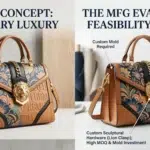
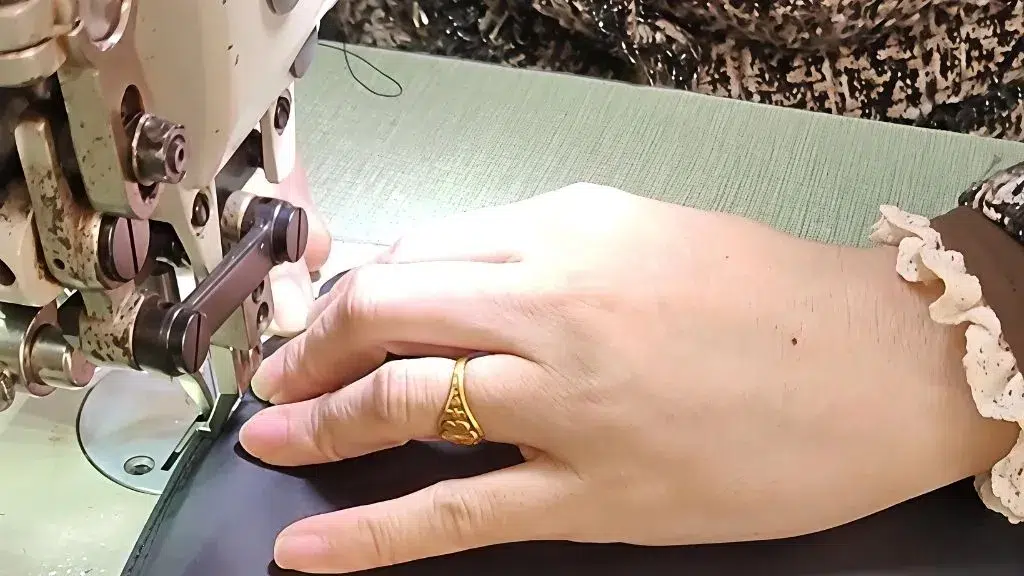
Note regarding MOQs for Complex Designs: While we offer low MOQs (starting at 50 pcs) for simple styles like Totes, highly technical products require a different approach. For example, a Crossbody Bag for Men with Internal Tech Organization involves 3x more stitching time and custom hardware molds. For these complex items, we recommend a ‘Prototyping First’ strategy to validate the cost before bulk production.
Deep Customization Options
The best handbag manufacturers go beyond standard designs. They provide full customization, from turning your sketches into prototypes to choosing materials, colors, and hardware. Some even handle custom packaging, so your brand stands out on delivery.
Transparent Cost Structure and Efficiency
Top-tier factories are upfront about their pricing. A clear breakdown of costs—like materials, labor, and tooling fees—helps you budget accurately. Efficient factories optimize production to reduce waste and keep prices competitive without compromising quality.
Factory Evaluation Checklist
Before committing, compare factories using a checklist:
- Quality certifications and reputation
- Minimum order quantity requirements
- Style and material options
- Customization services
- Pricing transparency
- Lead times and communication responsiveness
By weighing these criteria, you identify factories capable of delivering reliable, high-quality handbags tailored to your brand’s needs.
For example, B.S. Bag Factory in Guangzhou offers attractive low MOQs and full-package services, helping brands launch with confidence. Explore their custom leather handbag factory options to see how they support diverse product lines from concept to delivery.
🚀 Launching a Men’s Accessories Line?
Don’t let MOQ stress you out. If you are planning to produce technical bags, understanding the manufacturing complexity is key to budgeting.
👉 See a Real-World Example: Manufacturing the Perfect Crossbody Bag for Men
Step-by-Step Guide: How to Source and Partner with a Handbag Factory in China
Sourcing a reliable handbag factory in China might feel overwhelming, but breaking it down helps. Start by defining your order needs clearly—know your style preferences, materials (like leather or vegan options), quantities, and budget. This will guide your search on popular sourcing platforms such as Alibaba, Global Sources, or even specialized OEM handbag manufacturer China portals.
Next, focus heavily on supplier vetting. Don’t just browse product photos—request virtual factory tours when possible to see real operations. Ask for physical samples or prototypes to check workmanship, materials, and finishes upfront. This step is crucial for avoiding surprises later.
When negotiating, pay special attention to minimum order quantities (MOQ). Many reputable factories offer low MOQ options, especially in hubs like Guangzhou or Dongguan, giving you flexibility as you test the market. Also, prioritize protecting your design IP by signing NDAs or contracts that clearly outline ownership rights.
During production, maintain active communication. Regular updates through video calls, photos, or production tracking tools help catch issues early. Consider appointing a trusted sourcing agent or using third-party quality inspections for peace of mind.
Finally, as your business grows, scale production based on feedback and order patterns. Work closely with your factory to adjust runs or introduce new styles smoothly. For example, if you’re after a custom leather handbag factory Guangzhou-based suppliers often excel at flexible small-batch runs, supporting your brand’s growth goals.
For hands-on examples of factory capabilities and product variety, check out B.S. Bag Factory’s range of travel crossbody bags to see how custom sourcing works in practice. Also, their female wallet collections are a great reference for customization depth and quality assurance.
Quick partner checklist:
- Define styles, materials, quantity upfront
- Shortlist suppliers with solid reviews & certifications
- Request samples & virtual factory tours
- Negotiate MOQ, pricing, and IP protection
- Communicate frequently during production
- Inspect samples before final shipment
- Scale production as demand grows
Following these steps helps you build a reliable, scalable sourcing relationship that fits your business needs.
Spotlight on Excellence: Why B.S. Bag Factory is Your Ideal Handbag Partner in Guangzhou
B.S. Bag Factory stands out as a leading handbag factory in China, especially for businesses targeting the U.S. market. Located in Guangzhou, one of the major production hubs, the factory boasts a large-scale operation with advanced machinery and skilled craftsmanship. Their ability to handle both small and large orders makes them a flexible partner for brands of all sizes.
One of B.S. Bag Factory’s signature strengths is their low MOQ (minimum order quantity), which is perfect for startups and emerging designers who need quality without the burden of massive inventory. They also offer full-package services—from initial design and prototyping to final packaging—streamlining the entire production process and saving you time.
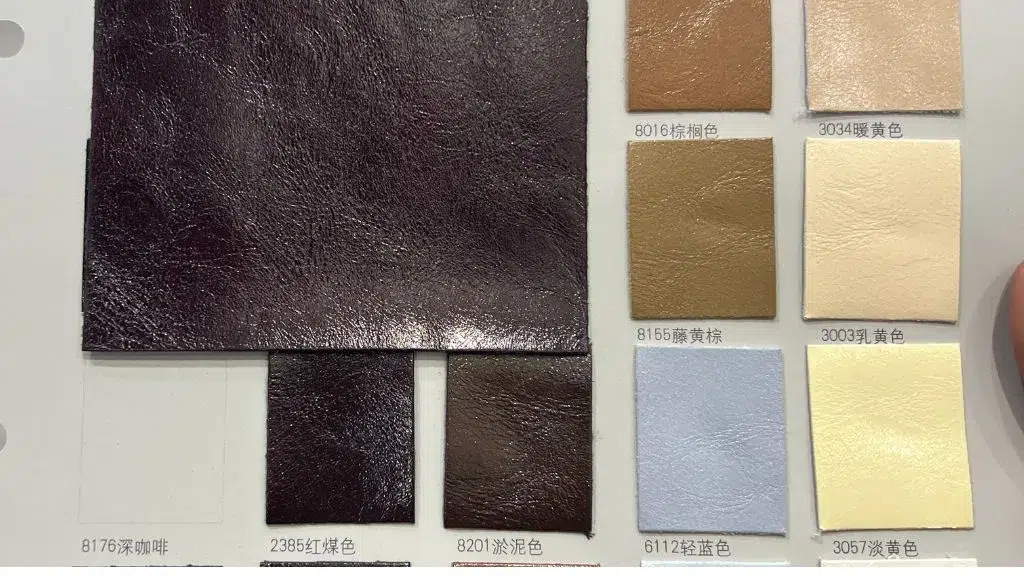
Their product range is diverse, covering classic leather handbags, vegan alternatives, and customized styles that suit a variety of markets. Clients appreciate their custom leather handbag factory capabilities in Guangzhou, which combine traditional techniques with sustainable materials. Check out their stylish selections, such as the brown leather crossbody bag, for a glimpse of their quality finish and design expertise.
Customer feedback highlights B.S. Bag Factory’s reliability and consistent product excellence. Visual proof, such as in-depth client testimonials, supports their reputation as a trusted handbag OEM manufacturer China businesses can count on. Whether you’re sourcing bulk totes or designer purses, partnering with B.S. Bag Factory means tapping into a factory that knows how to deliver quality, variety, and efficiency on time.
Navigating Challenges: Common Pitfalls and How to Avoid Them
Sourcing handbags from a factory in China can come with hurdles, but knowing the pitfalls helps you dodge costly mistakes.
IP Protection and NDAs
Protecting your designs is crucial. Always sign a solid Non-Disclosure Agreement (NDA) before sharing sketches or prototypes. Work only with factories experienced in safeguarding intellectual property to avoid knockoffs or leaks.
Managing Supply Chain Disruptions
Supply chains can get shaky due to delays or material shortages. Diversify your supplier base when possible, and keep open communication channels. Building good relationships helps you get ahead when disruptions happen.
Consistent Quality Control
Don’t rely on trust alone—demand samples and factory audits. Regular quality checks throughout production ensure your order meets standards. This reduces surprises when the bulk shipment arrives and protects your brand reputation.
Sustainability Verification and Eco-Certifications
If sustainability matters to your brand, verify factories’ green claims by asking for eco-certifications and documentation. This is more than marketing—it ensures your handbags align with growing U.S. consumer demand for ethical products.
Quick FAQ on Lead Times and Import Questions
- Lead times usually range from 30 to 60 days depending on order size and customization level.
- Always factor in extra time for shipping and customs clearance to avoid surprises.
- Import duties vary—partner with an experienced customs broker for smooth processing.
By being proactive on these fronts, you’ll build a reliable, transparent partnership with your handbag factory that stands the test of time.
Future-Proofing Your Sourcing: Innovations and Predictions for 2025-2030
Looking ahead, the handbag factory landscape in China is evolving fast, driven by tech and sustainability. Innovations like 3D printing are starting to shorten prototyping cycles, letting you see and tweak designs faster without wasting materials. Blockchain technology is also gaining traction to boost transparency in the ethical bag supply chain, helping brands prove authenticity and fair labor practices—something US buyers care about more each year.
On the global side, expect a shift with more factories diversifying into ASEAN countries to spread risk and improve flexibility. This means smarter supply chains that can adapt to disruptions and changing trade policies. Partnering with agile manufacturers who embrace these trends—offering both custom leather handbag factory Guangzhou expertise and sustainable OEM services—will be key for staying competitive.
To stay ahead:
- Regularly benchmark suppliers on tech adoption and sustainability certifications.
- Work with factories that trial new materials like recycled or vegan leather.
- Build flexible contracts that allow quick scaling or design pivots.
Keeping an eye on these trends will help you future-proof your sourcing and maintain a leading edge as the handbag market grows through 2030. For example, checking out wholesale vegan handbag supplier options can open new eco-friendly avenues without sacrificing quality or style.