




The Fundamentals of Understanding Leather Sourcing and Processing in Bag Factories
When it comes to making leather bags, everything starts with the raw material—animal hides. These hides are the foundation of every leather product, ranging from common cowhide to exotic skins like alligator or ostrich. Each type of hide brings its own texture, strength, and character, which directly affect the final product’s look and durability.
But getting the hide ready for manufacturing isn’t as simple as it seems. That’s where tanning comes in. Tanning is the process that transforms raw animal skin into robust, workable leather. There are different tanning methods used in factories, each influencing the leather’s feel and performance:
- Chrome tanning is fast and produces soft, flexible leather—ideal for bags needing suppleness.
- Vegetable tanning takes longer but delivers durable, firm leather with a natural finish—favored for quality full-grain cowhide bags.
- Eco-friendly tanning methods are rising in demand due to sustainability trends, offering less environmental impact without sacrificing quality.
Grain quality is another critical factor shaping factory output. Leather is categorized mainly by grain levels:
- Full-grain leather is the highest quality, showing the natural surface with all its grain, strongest, and ages beautifully.
- Top-grain leather is sanded or buffed to remove imperfections, but still keeps durability intact—common in mid-range production.
- Corrected grain leather is buffed tougher and stamped to simulate natural texture.
- Bonded leather is made by combining leftover leather scraps with adhesives—a budget-friendly option with less durability.
Understanding these basics—where hides come from, how tanning changes them, and the grain quality levels—sets the stage for selecting the best leather types in any bag factory. It’s about balancing the material’s natural traits with production needs to deliver bags that last and appeal to customers.
Core Types of Leather in Bag Factories Breakdown and Applications
At B.S. Bag Factory, we work with several main types of leather, each serving different purposes in bag production. Here’s a quick look at the core materials and why they matter:
| Leather Type | Key Features | Common Uses | Notes |
|---|---|---|---|
| Full-Grain Cowhide | Most durable, natural surface | High-end handbags, luggage | Stands up to wear, ages nicely |
| Top-Grain Cowhide | Smooth finish, slightly sanded | Stylish everyday bags | More uniform look, cost-efficient |
| Goatskin | Soft, flexible, lightweight | Crossbody, slings, wallets | Great for flexible designs |
| Sheepskin | Soft, supple, lightweight | Clutches, evening bags | Luxurious feel but less durable |
| Exotic Leathers | Unique patterns, distinct look | Statement bags, high fashion | Alligator, snake, ostrich |
| Synthetic Leather | Cost-effective, uniform | Budget-friendly options | Easy to clean, less durable |
| Bonded Leather | Made from leather scraps | Low-cost bags, lining | Least durable, budget pick |
Full-Grain and Top-Grain Cowhide
These cowhide leathers are the backbone of many factory productions. Full-grain leather is prized for its toughness and natural texture, perfect when durability matters most. Top-grain is a close second, offering a smoother look for bags that need style and strength but at a better price point.
Goatskin and Sheepskin
Both are lighter and more flexible, making them favorites for trendy, lightweight bags. Goatskin holds up well and is known for a soft touch, while sheepskin offers luxury feel but is best for less rugged bags.
Exotic and Specialty Leathers
Using exotic leathers like snake or alligator can really make a bag stand out. These materials push factory creativity, especially when customers want unique, high-end pieces. They do require special handling and ethical sourcing.
Synthetic and Bonded Leather
For cost-effective options, synthetic and bonded leathers provide alternatives without breaking the bank. Synthetic leathers offer a clean, consistent surface with easy maintenance, while bonded leather uses scraps and filler—good for budget lines but less durable overall.
At B.S. Bag Factory, choosing the right leather hinges on balancing cost, style, and durability to meet your specific needs.
Selecting the Right Leather for Your Bag Factory Needs
Picking the right type of leather for your bag factory comes down to a few key factors: budget, durability, and how the bag will be used. At B.S. Bag Factory, we always start with the customer’s needs. For example, a full-grain cowhide costs more but offers top durability and a premium look, making it ideal for high-end handbags. On the other hand, bonded leather or synthetic options can fit tighter budgets while still looking good for everyday use.
Balancing cost versus quality is a big part of the production process. Top grain leather offers a good compromise—better durability than bonded leather but less expensive than full grain. For lightweight bags, goatskin or sheepskin can be an excellent choice, adding flexibility without extra cost.
Sustainability and ethical sourcing are also becoming non-negotiable in the United States market. More customers want eco-friendly, vegetable-tanned leather or chrome tanning done responsibly. At B.S. Bag Factory, we work with suppliers who follow ethical leather supply chains, ensuring every hide contributes to a factory output that’s good for the planet and local communities. This trend is shaping buying decisions, making responsible sourcing a key part of selecting leather.
Real World Factory Insights Leather in Action at B.S. Bag Factory
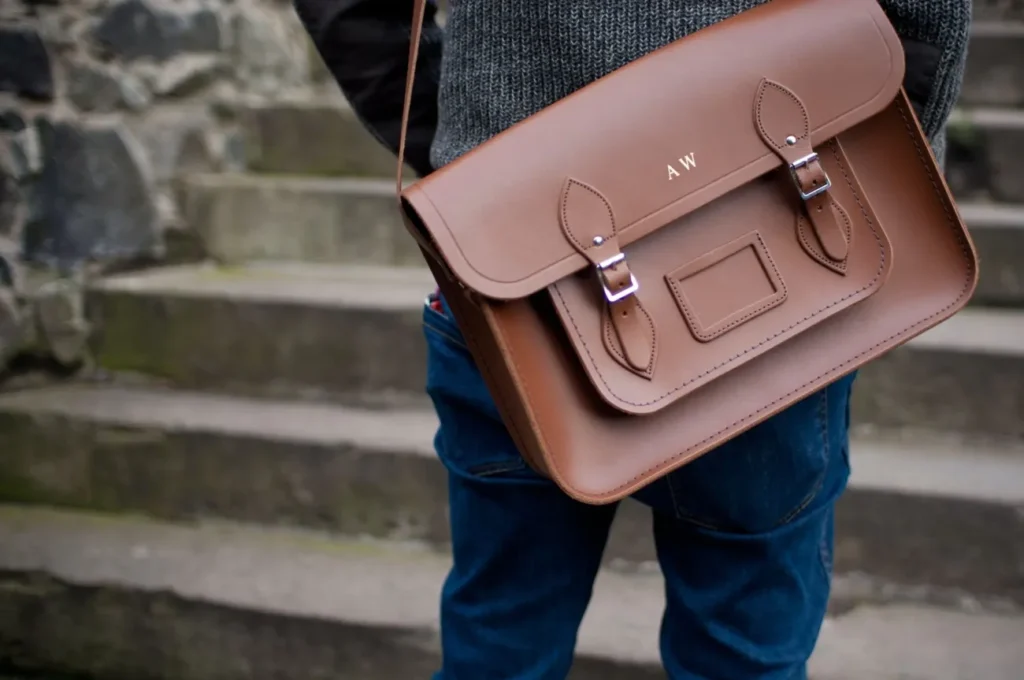
At B.S. Bag Factory, the type of leather we use directly shapes how we cut, stitch, and finish each bag. For example, full-grain cowhide demands sharp tools and careful handling because of its thickness and durability. It holds up great over time, but cutting takes skill to avoid waste. On the other hand, softer leathers like goatskin and sheepskin are easier to cut and shape, making them perfect for lightweight, flexible bag designs.
Stitching also varies by leather type. Thicker, vegetable-tanned leather requires stronger needles and reinforced threads, while top-grain leather needs less heavy-duty stitching but still gives a polished, smooth finish. Exotic leathers, such as alligator or ostrich, call for special attention during finishing to keep their natural texture intact without damage.
We’ve applied these lessons in B.S. Bag Factory’s signature leather bags, blending full-grain cowhide for durability with goatskin accents for flexibility. This mix keeps the bags sturdy without being bulky. Plus, by using a combination of chrome and eco-friendly tanning, we meet both quality and sustainability goals. Our production team constantly adapts techniques based on leather types to maintain consistent quality and standout style for our US customers.
This hands-on approach at B.S. Bag Factory shows how knowing your leather well ensures each bag turns out exactly as it should—durable, attractive, and perfect for everyday use.
Maintenance and Longevity Maximizing Your Factory Sourced Leather Bags
Taking good care of the leather you get from bag factories like B.S. Bag Factory is key to making your bags last. Different types of leather need different care, so knowing what works best can keep your investment looking sharp for years.
Care Tips by Leather Type
- Full-Grain and Top-Grain Cowhide. These durable leathers benefit from regular cleaning with a damp cloth and conditioning every few months. Use a leather conditioner that’s free of harsh chemicals to keep the leather supple and avoid cracking. Avoid soaking and keep bags away from direct sunlight.
- Goatskin and Sheepskin: These lighter, flexible leathers need gentle cleaning with a soft brush or cloth. Avoid heavy conditioners that could weigh down the leather. For suede finishes, use a suede brush and avoid water exposure.
- Exotic Leathers Exotic hides require special cleaners designed for their unique texture. Be careful with moisture and avoid abrasive materials to prevent damage.
- Bonded and Synthetic Leathers are usually easier to clean with mild soap and a damp cloth. Avoid harsh chemicals that can strip the finish off these budget-friendly options.
Common Pitfalls to Avoid
- Storing leather bags in plastic bags or damp spaces can cause mold and mildew.
- Over-conditioning can clog leather pores, so stick to recommended amounts.
- Using the wrong cleaner can strip oils and ruin color.
- Exposure to extreme heat or moisture leads to fading and warping.
B.S. Bag Factory Care Kits
To make maintenance simple, B.S. Bag Factory offers care kits tailored to their leather types. These kits include cleaners, conditioners, and brushes that work well with factory-sourced leather, making upkeep easier for the everyday user. Using these kits helps extend the life of your bags and keeps them looking new even after heavy use.
In the U.S. market, where consumers expect durability and style, following these care routines ensures your leather bags remain a reliable staple. Proper maintenance means your bags can handle everyday wear and still look great for years to come.