

Hey there, future handbag superstar! Are you sitting on a brilliant idea for a handbag – maybe even a whole collection – but feeling that familiar knot of “how on earth do I get this made?” Trust me, you are not alone. That leap from a killer sketch on your notepad to a perfectly stitched, ready-to-sell handbag in someone’s hand can feel like climbing Mount Everest. But guess what? It’s totally achievable, and I’m here to be your friendly Sherpa.
- Step 1: Blueprinting Your Bag – Defining Your Manufacturing Needs
- Step 2: Scouting the Landscape – Where to Find Handbag Manufacturers
- Step 3: Deep Vetting & Communication – Securing Your Ideal Handbag Partner
- Step 4: Building Bridges – Nurturing Your Manufacturing Partnership
- Step 5: Navigating Challenges – Avoiding Common Manufacturing Pitfalls
- Step 6: The Modern Brand – Ethical & Sustainable Handbag Manufacturing
I’ve been down this road myself, navigating the ins and outs of manufacturing, dealing with everything from exciting breakthroughs to “oh no!” moments. My goal for you is to make this journey feel less like a bewildering quest and more like an exciting adventure with a clear map. We’re going to talk about real experiences, practical tools, and straightforward advice that you can put into action today. No jargon, no fluff – just genuine insights to help you find that perfect partner to bring your custom bag designs to life. So, grab a coffee, get comfy, and let’s unravel the mystery of how to find your ideal handbag manufacturer!
Step 1: Blueprinting Your Bag – Defining Your Manufacturing Needs
Before you start your search, it’s crucial to have a clear understanding of your needs and expectations. This foundational step is like laying the cornerstone of your entire project. It’s the first step of finding the perfect bag manufacturer. Skipping this crucial step is like trying to order food at a restaurant without knowing what you’re hungry for – messy and inefficient! This clarity will be your superpower in finding the right fit.
1.1 Understanding Your Design DNA: What Kind of Bag Are You Making?
First, let’s talk about your design DNA. What type of bags do you want to manufacture? Are we talking about luxurious, structured leather pieces that demand meticulous craftsmanship? Or perhaps durable, everyday canvas tote bags that need to withstand heavy use? Maybe it’s a quirky, unique art piece that requires specialized fabric and unconventional construction. The more specific you are here, the better. Manufacturers often specialize. A factory that excels at mass-producing promotional polyester bags won’t be the same one perfect for your high-end, hand-finished exotic leather clutch. Think about the complexity of your design: Are there unique pockets, intricate embroidery, specific hardware requirements? Jot it all down.
Consider the construction methods. Are you envisioning soft, slouchy bags (requiring less rigid internal structure), or stiff, self-standing designs that need specific interlinings and supports? Do your designs feature delicate piping, complex layering, or unique closure mechanisms? Different factories will have different expertise. Some are masters of traditional saddle stitching, while others excel at advanced machine techniques. What are your preferred design elements and functionality features?
1.2 Pinpointing Your Production Volume: MOQs and Scaling Up
Next, your target volume. How many bags do you need to produce? This is a huge, often overlooked, differentiator. Are you planning a super limited-edition run of 20 bags to test the market, or are you aiming for 200 units for a major launch? Manufacturers have what are called Minimum Order Quantities (MOQs). These can range from a few dozen for boutique workshops to thousands for large-scale factories. Don’t be discouraged by high MOQs if you’re starting small; it just means you need to find a manufacturer that caters to smaller batches, often called “boutique” or “atelier” producers. On the flip side, if you do plan big, knowing that will help you filter for larger, more efficient operations. I’ve seen too many promising brands get stuck because they approached a factory with a 1,000-unit MOQ when they only needed 50pcs. Save yourself the headache!
Think about your growth trajectory. If your initial MOQ is low, but you anticipate rapid scaling, discuss this with potential manufacturers. Can they accommodate increased orders in the future? Do they offer preferential pricing tiers for larger volumes? A factory willing to grow with you is an invaluable asset. What’s your desired lead time?
1.3 Material Matters: From Leather to Eco-Friendly Fabrics
Then there’s the materials question. What materials are you looking to use? This is absolutely critical. Are you committed to genuine leather, or are you exploring ethical vegan leathers, organic cotton, recycled nylon, or even unique textiles? Each material requires different machinery, specific skilled labor, and a distinct supply chain. A manufacturer specializing in vegan leather goods might not have the expertise or equipment for delicate silk linings, and vice-versa. Be precise here. If you’re using specific vegan leather, for example, note its composition and desired hand-feel.
- Leather: If you’re using leather, specify the type (full-grain, top-grain, corrected-grain, bonded), finish (aniline, semi-aniline, pigmented), and desired tannage (vegetable-tanned, chrome-tanned). Also, consider the origin of the leather – are you looking for Italian leather, or do you have a specific sustainability standard for your hides?
- Textiles: For fabric bags, identify the specific fabric (e.g., 12oz cotton canvas, ripstop nylon, organic linen), its weight, weave, and any desired coatings (e.g., water-resistant).
- Hardware: Don’t forget the details! Zippers (YKK vs. generic), buckles, D-rings, magnetic snaps – specify the material (brass, zinc alloy), finish (gold plating, antique silver), and desired quality. Custom hardware often requires mold fees, so factor that in.
1.4 Budgeting Realistically: Understanding the True Cost of Production
Finally, let’s talk budget. What is your budget and expected price per unit? This is often the uncomfortable truth. How much are you realistically willing to spend per unit? This isn’t just about the bag itself but also includes hardware, labels, packaging, shipping, and any mold fees for custom parts. Different regions and types of manufacturers will have vastly different price points. Knowing your budget helps you filter out factories that are either too expensive or, conversely, suspiciously cheap (which can signal quality issues down the line). Remember, while everyone wants a good deal, quality and reliability often come with a fair price. As a general rule, expect to pay more for exceptional craftsmanship, ethical labor practices, and sustainable materials.
Consider the total landed cost – this includes the per-unit manufacturing cost, plus shipping, duties, taxes, and any inspection fees. Getting a clear understanding of this upfront prevents sticker shock later.
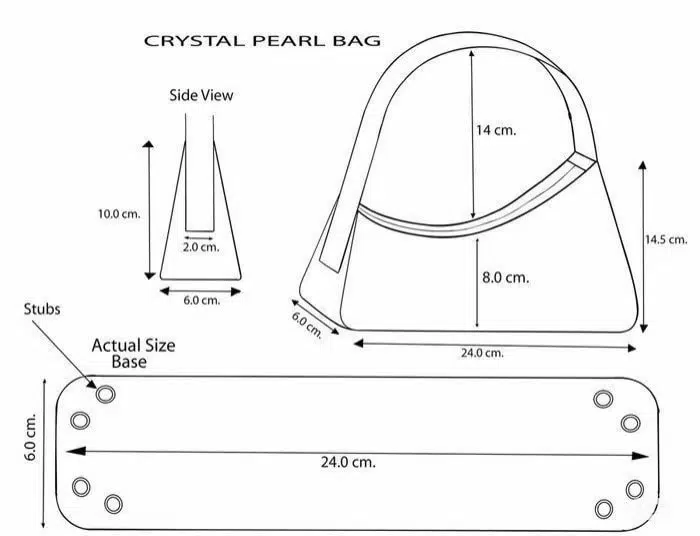
By really digging into these points, you’re not just making a mental note; you’re creating a solid “artwork” or “tech pack”. This brief isn’t just for you; it’s the professional document you’ll share with potential manufacturers, instantly telling them whether you’re a good fit for their capabilities. It saves everyone time and sets the stage for a much smoother search for your ideal handbag production partner. Having a solid grasp of these factors will help you narrow down potential manufacturers that fit your criteria.
Step 2: Scouting the Landscape – Where to Find Handbag Manufacturers
Okay, your manufacturing brief is polished and ready. Now, let’s leverage the power of the internet – your first massive hunting ground for potential partners. But it’s not just about typing “handbag manufacturer” into Google and hoping for the best. We need to be strategic.
2.1 Digital Deep Dive: Smart Google Searches & B2B Platforms
Your trusty Google search is still a powerhouse, but use it smarter. Instead of broad terms, get specific. Think about variations that align with your brief: “leather handbag manufacturer [your city/country],” “vegan bag factory [region],” “small batch custom bags USA,” “luxury handbag production Italy,” or “sustainable crossbody bag supplier China.” Adding location or material specifics drastically refines your results. Don’t just stick to English either; if you’re targeting a specific country like Italy, try searching in Italian (e.g., “produttore borse in pelle Italia”). This can uncover smaller, local gems that don’t have a strong English online presence.
Beyond general search engines, there are dedicated B2B (business-to-business) platforms and directories that are goldmines for finding manufacturers. Start your search process by gathering a list of potential bag manufacturers. Use the following resources:
- Online platforms like Alibaba, Global Sources, and Thomasnet: These are titans, especially if you’re considering overseas manufacturing, predominantly in Asia. They host millions of suppliers. The trick here is patience and diligence. You’ll find everything from massive factories to trading companies (who act as middlemen). Use their filtering options meticulously: MOQ, product type, certifications (like ISO 9001 for quality management, or specific ethical audit reports if available). Always check supplier ratings, years in business, and look for “Gold Suppliers” or “Verified Suppliers” which offer a bit more assurance. Just remember, these platforms require rigorous vetting on your part. It’s like a giant marketplace – you have to know what you’re looking for and be prepared to ask a lot of questions. For detailed guidance on navigating Alibaba, check out their official guide for buyers.
- Google search using keywords such as “Bag manufacturer China” or “Cambodia bag factory”: Use these targeted searches to find manufacturers based on geography.
As you browse these sites and platforms, pay close attention to the manufacturers’ profiles. Look for clear indications of their specialties, detailed photos of their past work (do they match your desired aesthetic?), and any certifications they boast. Many will have “capabilities” sections listing machinery, materials they work with, and services offered (e.g., pattern making, prototyping, bulk production). Create a spreadsheet to track your findings: manufacturer name, location, contact info, their stated MOQs, specialties, and any initial thoughts or red flags. This organized approach will be a lifesaver as your list grows. This initial digital deep dive is all about building a solid pipeline of potential candidates – the more viable options you have, the better your chances of finding that truly perfect match for your handbag design and production needs.
2.2 Beyond the Screen: Tapping into Real-World Networks
While the internet is undeniably powerful, some of the absolute best manufacturing connections are still forged offline, through personal interactions and trusted referrals. Don’t underestimate the “old school” methods – they often lead to highly vetted, reliable partners.
- Industry-Specific Trade Shows and Exhibitions: Seriously, if you’re serious about your handbag brand, attending relevant trade shows is non-negotiable. Events like Premiere Vision (for fabrics and components), Leatherworld, or more general fashion sourcing shows (e.g., MAGIC in Las Vegas, Pure London, or local fashion trade shows in major cities) bring together manufacturers, material suppliers, and hardware vendors from around the globe. This is where you can:
- See and Touch: Experience materials, feel the stitching on samples, and assess craftsmanship firsthand. Photos online simply don’t do it justice.
- Direct Conversations: Speak face-to-face with factory representatives. Ask detailed questions, gauge their communication style, and get a feel for their company culture. This personal interaction often reveals more than dozens of emails.
- Uncover Hidden Gems: Many smaller, high-quality manufacturers, especially those focusing on artisanal or specialized production, might not have a huge online marketing budget. You’ll discover them walking the aisles. I once found an incredible hardware supplier at a trade show who offered custom brass buckles that perfectly matched a vintage aesthetic – something I’d never seen online.
- Recommendations from Industry Peers and Professional Networks: Talk to people! Seriously.
- Other Designers & Brand Owners: If you know anyone who already produces handbags or other fashion accessories, ask them about their experiences. What factories did they work with? What were the pros and cons? A personal referral from someone who’s been in your shoes is incredibly valuable. Most people in the creative industry are happy to share their wisdom.
- Fashion Schools & Incubators: Many fashion design programs have established relationships with local manufacturers for student projects. Their career services departments or faculty might be able to point you in the right direction. Incubators for fashion startups also often have lists of preferred suppliers.
- Industry Professionals: Connect with people in related fields – product developers, fashion merchandisers, sourcing agents, even pattern makers. They often have a wide network of contacts and understand the nuances of the supply chain. LinkedIn is excellent for this. Join relevant industry groups and participate in discussions.
- Local Artisans & Workshops: For very small runs or highly specialized items, don’t overlook local artisans or small workshops. They might not be set up for mass production but can often handle smaller batches, offer incredible craftsmanship, or even point you to larger partners they know.
The beauty of offline networking is the ability to build trust and gather nuanced information that you simply can’t get from a website. You can feel the energy of a company, assess their transparency, and make a more informed decision. While digital searches are efficient for casting a wide net, these real-world interactions are often where you hook the truly special fish. Combine these strategies, and you’ll have a robust list of potential bag manufacturing factories to dive deeper into.
Step 3: Deep Vetting & Communication – Securing Your Ideal Handbag Partner
You’ve got a promising list of candidates, fantastic! Now comes the critical phase: vetting these manufacturers and starting a real conversation. This isn’t just about finding someone who can make your bags; it’s about finding a reliable partner you can trust and work with long-term. This requires meticulous attention to detail and clear communication. Once you’ve shortlisted potential bag manufacturers, it’s time to assess them based on crucial factors.
3.1 Initial Outreach: Making a Strong First Impression
Reach out to your top choices and discuss your project requirements in detail. When you first reach out, have your detailed tech pack ready. This is your professional introduction. Clearly state:
- Who you are and your brand’s vision.
- The type of bags you want to make (referencing your design).
- Your estimated initial order quantity (MOQ).
- Key materials you plan to use.
- Any specific requirements (e.g., sustainability certifications, particular hardware).
- Attach any relevant sketches, technical drawings (tech packs), or inspirational images.
A well-prepared inquiry shows you’re serious and helps the manufacturer quickly assess if you’re a good fit for their capabilities. For example, instead of a vague “Can you make bags?”, try: “We are a new luxury handbag brand looking to produce 200 units of a structured top-handle leather tote (see attached sketch/tech pack for details). We prefer full-grain vegetable-tanned leather and custom brass hardware. What are your MOQs and typical lead times for this type of product?” Manufacturers who respond promptly and are willing to work with you on your requests tend to be more trustworthy.
3.2 The Proto Sample Stage: Your Critical Quality Test
Most bag manufacturers are willing to create bag prototypes corresponding to your design specifications. This is absolutely non-negotiable. Do not place a production order without getting a sample (often called a prototype or pre-production sample) of your design. You’ll almost certainly pay for this, plus shipping – consider it a critical investment, not an expense. When the sample arrives, scrutinize it with a fine tooth comb:
- Does it match your specifications exactly? Dimensions, pocket placement, strap length. Use a ruler, calipers, and your original tech pack.
- Quality of materials: Does the leather feel as expected? Is the hardware robust and free of blemishes? Is the lining material correct? Visit their websites for an overview of their previous work – it’s an excellent measure of their craftsmanship and offers a valuable sense of the types of materials they use.
- Craftsmanship: Check stitching for consistency, neatness, and straightness. Are corners crisp? Is edge paint smooth and even? Are seams well-finished?
- Functionality: Do zippers run smoothly and quietly? Are magnetic snaps strong enough? Are buckles secure? Is the bag balanced when carried?
- Durability: While a sample won’t show long-term wear, give it a good tug and pull. Test stress points.
Provide clear, constructive feedback. Be specific! Instead of “the strap looks wrong,” say “the strap width needs to be reduced by 0.25 inches, and the attachment points should be reinforced with an additional row of stitching.” This process might involve several rounds of samples until every detail is perfect. Believe me, catching a flaw on one sample is infinitely cheaper than finding it on 500 finished bags. I once had a client who rushed a production without a final sample, and they ended up with a batch of bags where the main zipper pull was on the wrong side, making them awkward to open. A simple sample check would have caught that! During sampling, you will get to know them better and decide if they are someone with whom you can do business.
3.3 Deeper Vetting: Capacity, Lead Times & Quality Control
Beyond samples, delve into their operational capabilities:
- Experience and Expertise: Look for manufacturers with a successful track record in producing a similar type of bag or working with brands in your niche.
- Production Capacity and Lead Time: Ensure the manufacturer can handle your order volume and can deliver within your required timeframe. Ask about their daily, weekly, or monthly output for products similar to yours. Can they scale with you? What happens during their peak seasons?
- Quality Control (QC) Processes: How do they ensure quality throughout production? Do they have a dedicated QC team? What are their inspection points (e.g., incoming material inspection, in-line production checks, final inspection)? What happens if a defect is found? Do they have a return or rework policy? A reputable factory will have clear, documented QC procedures.
- Certifications: Look for manufacturers with social compliance certifications, such as WRAP, SMETA or SA8000; quality certifications like ISO9001. Request for proof of certification like the WRAP, SMETA or ISO9001 to prove their claims.
3.4 Cost & Payment Terms: Getting it Right
Obtain quotes from potential manufacturers and compare them to find the best fit for your budget. Ensure they break down:
- Unit cost (per bag).
- Any mold fees for custom hardware or components.
- Sample fees.
- Shipping costs (FOB, EXW, DDP – understand these Incoterms!).
- Payment schedule: Typically, a deposit upfront (e.g., 30-50%), with the balance due upon completion or shipment. Be wary of manufacturers demanding 100% upfront, especially for a first order. A staggered payment protects both parties.
Remember, the lowest price isn’t always the best value. A slightly higher price might mean better materials, superior craftsmanship, more reliable communication, and fewer costly headaches down the line. According to a The State of Fashion 2024: Finding pockets of growth as uncertainty reigns – McKinsey & Company, companies increasingly prioritize supply chain resilience and quality over purely cost-driven decisions.
3.5 Communication: Your Core Collaboration Tool
This is perhaps the most crucial aspect. How responsive are they? Do they understand your vision and instructions clearly? Are they proactive in identifying potential issues or suggesting improvements? Miscommunication is a leading cause of manufacturing errors. I prioritize manufacturers who are quick to reply, ask clarifying questions, and aren’t afraid to tell me if something isn’t feasible or could be done better. A good manufacturer acts as a genuine partner, not just a service provider. They’re invested in your success. Building this rapport from the start with your custom tote bag manufacturer is vital for a smooth production process.
3.6 Request References and NDAs
Request references from their previous clients and contact them to get an insider’s perspective on the manufacturer’s quality, communication, and commitment levels. Additionally, request a non-disclosure agreement (NDA) before disclosing sensitive materials.
Step 4: Building Bridges – Nurturing Your Manufacturing Partnership
Finding a great handbag manufacturer isn’t just about getting one order produced; it’s about cultivating a long-term, symbiotic relationship. Think of them not just as a vendor, but as a critical extension of your team. When you have a solid, trusting manufacturing partner, they can become an incredible asset, helping you innovate, scale, and maintain consistent quality as your brand flourishes.
4.1 Mastering Consistent & Clear Communication
Yes, it’s that important. Even after the initial vetting, consistent, clear communication is the bedrock.
- Establish a Primary Contact: Work with one dedicated person at the factory whenever possible. This streamlines communication and builds rapport.
- Organize Your Communication: Use email chains, shared documents, or even project management tools (like Asana or Trello) to keep all design changes, approvals, and questions documented. This avoids “he said, she said” scenarios.
- Visuals, Visuals, Visuals: When discussing details or changes, always supplement written instructions with photos, sketches, annotated diagrams, or even short videos. If you’re correcting a sample, draw directly on a photo to highlight the exact area that needs attention.
- Regular Check-ins: Even quick weekly or bi-weekly check-ins (even if there’s nothing urgent) can keep the lines open and preempt minor issues from becoming major problems.
4.2 Transparency & Trust: A Two-Way Street
Be honest and open with your manufacturer. If you anticipate a delay in your material shipment, or if your budget parameters shift slightly, communicate it immediately. This transparency allows them to adjust their schedule and resources. In return, expect transparency from them regarding production timelines, any material shortages, or potential challenges on their end. A good partner will be upfront about issues and work with you to find solutions, rather than hiding problems until they’re critical. I’ve found that when I share my bigger business goals with a manufacturer, they feel more invested and offer better solutions because they understand the bigger picture.
4.3 Leveraging Their Expertise: Beyond Just Production
Remember, your manufacturer lives and breathes bag production. They often have decades of experience and deep knowledge of materials, construction techniques, and efficiency.
- Ask for Their Input: Don’t just send a tech pack and expect no questions. Ask for their suggestions on construction improvements, alternative materials that might be more cost-effective or sustainable, or ways to optimize your design for production. They might suggest a different stitching method that looks better and saves time, or a more durable type of interlining.
- Stay Updated: Ask about new technologies, materials, or certifications they might be adopting. This shows you’re engaged and interested in growing together.
4.4 Quality Control: A Shared Responsibility
While your manufacturer has their internal QC, it’s wise to consider additional layers of assurance, especially for larger orders or complex designs.
- Pre-Production Meeting (PPM): Before bulk production starts, have a detailed call or meeting to review the final approved sample, material swatches, and any last-minute details. This ensures everyone is on the same page.
- Third-Party Inspections: For overseas orders, hiring a third-party inspection company (like SGS or Bureau Veritas) to conduct in-line (during production) or final (pre-shipment) inspections is highly recommended. They act as your eyes and ears on the ground, verifying quality and quantities before goods leave the factory. This provides an objective assessment and is a common practice for established brands.
- Clear Quality Standards: Define what constitutes an acceptable product and what is a defect. What’s the tolerance for color variations? What happens if there’s a certain percentage of defects in a batch? Have these agreements in writing.
4.5 Be a Good Client!
This might seem obvious, but it’s often overlooked. Pay invoices on time. Provide prompt and constructive feedback. Acknowledge their hard work and commitment. Manufacturers, like any business, appreciate respectful, organized clients. This can lead to better pricing over time, priority scheduling, and a genuine desire from them to help your brand thrive. A strong, mutually beneficial relationship with your responsible handbag manufacturer is truly one of the most valuable assets your brand can have. It’s an investment that pays dividends for years to come.
Step 5: Navigating Challenges – Avoiding Common Manufacturing Pitfalls
Even with the best intentions and a solid plan, the manufacturing journey can have its tricky spots. But here’s the good news: by being aware of common pitfalls, you can often sidestep them entirely or at least minimize their impact. Consider these a few friendly warnings from someone who’s learned a few lessons the hard way!
5.1 Battling Unrealistic Expectations (Cost & Time)
This is a huge one. We all want amazing quality, rock-bottom prices, and lightning-fast delivery. The reality? You usually get to pick two.
- The “Too Good to Be True” Price: If a quote is significantly lower than others for comparable quality, proceed with extreme caution. It often signals cut corners, substandard materials, or exploitative labor practices. As the saying goes, “you get what you pay for.”
- The “Impossible” Lead Time: Quality takes time. Rushing the production process often leads to mistakes, overlooked details, and a subpar product. Always factor in buffer time for unexpected delays – materials shipping delays, customs issues, or minor production hiccups are common. I once had a new brand insist on an aggressive timeline for their launch, which meant skipping a crucial final sample review. The resulting bags had a minor, but noticeable, design flaw that could have been fixed with one more week of sampling. Don’t let launch fever compromise your product.
5.2 Overcoming Vague Communication
This is a silent killer. “Make it look nicer” or “fix the strap” is utterly useless feedback.
- Lack of Specificity: Be as detailed as humanly possible. If a stitch line is crooked, take a photo, draw a red arrow pointing to it, and write “Stitch line A is crooked, needs to be straightened and parallel to edge.” Provide precise measurements for changes.
- Assuming Understanding: Don’t assume the manufacturer understands your creative vision without explicit instruction. They are skilled technicians, not mind-readers. Use tech packs (detailed technical specifications, often with diagrams), CADs, and clear photos.
- Language Barriers: If working with an overseas factory, clarify who is responsible for translation and ensure technical terms are understood. Sometimes, using simpler English or visuals is more effective than complex sentences. Consider using Google Translate for quick translations, but always confirm critical details.
5.3 Avoiding the Sample Stage Trap
This is a critical mistake that almost always costs more in the long run.
- False Economy: Paying for samples and the time it takes seems like an extra cost, but it’s your primary quality control check. Any issues caught here are cheap and easy to fix. Imagine finding a major flaw after 1,000 bags are produced – that’s a nightmare of wasted material, labor, and potential financial losses.
- Multiple Rounds Are Normal: Don’t expect perfection on the first sample. It’s common to go through two, three, or even more rounds of samples to get everything just right. Build this into your timeline and budget.
5.4 The Power of Written Agreements
Relying solely on verbal agreements or trust is a recipe for disaster.
- Get it in Writing: Before any significant production, ensure you have a formal purchase order (PO) or contract that clearly outlines: product specifications, quantities, pricing per unit, payment terms (deposit, balance due), delivery schedule, quality standards, intellectual property rights (who owns the design?), and a clear process for handling defects, returns, or disputes. This protects both parties. As Google’s best practices for vendor relationships highlight, clear, documented agreements are fundamental for successful partnerships.
5.5 Diversifying Your Supplier Base
- Lack of Diversification: While it’s great to have a go-to manufacturer, relying solely on one leaves you vulnerable. What if they face a natural disaster, a major machinery breakdown, a labor dispute, or simply can’t meet your growing demand?
- Consider Backups: For critical components or high-volume products, having a backup supplier or even diversifying production across two factories can provide resilience and flexibility. It also allows you to compare quality and pricing over time. This strategy protects your supply chain from unexpected disruptions.
By being proactively aware of these common pitfalls and implementing strategies to mitigate them, you’ll save yourself a lot of stress, time, and money. It’s about being prepared and taking a structured approach to your handbag production expert relationship.
Step 6: The Modern Brand – Ethical & Sustainable Handbag Manufacturing
In today’s world, consumers are more informed and ethically conscious than ever before. Your choice of manufacturer isn’t just about getting a bag made; it’s about aligning your brand with practices that benefit people and the planet. The decision to work with a bag manufacturer shouldn’t be taken lightly. It can be the key to taking your brand to new heights or finding yourself amidst a challenging situation. Embracing ethical and sustainable manufacturing isn’t just good for PR; it’s increasingly becoming a fundamental expectation and a strategic advantage for your brand.
6.1 Prioritizing Ethical Labor Practices
This means ensuring that the hands crafting your beautiful bags are treated with dignity and fairness. Look for manufacturers who prioritize:
- Fair Wages & Safe Working Conditions: Do they pay a living wage? Are their facilities clean, safe, and well-lit? Are working hours reasonable, with breaks and holidays?
- No Child or Forced Labor: This should be a non-negotiable.
- Transparency: Are they open about their labor practices? Do they welcome audits?
Look for certifications from reputable organizations like Fair Trade Certified, WRAP (Worldwide Responsible Accredited Production), SMETA (Sedex Members Ethical Trade Audit), or SA8000 (Social Accountability International SA8000® Standard). These certifications indicate that the factory has undergone rigorous independent audits to verify their social and ethical compliance. If a manufacturer is vague or unwilling to discuss their labor practices, consider that a red flag. Remember, your brand’s reputation is directly tied to your supply chain. As the International Labour Organization (ILO) emphasizes, respecting labor standards is crucial for global development and fair competition.
6.2 Embracing Environmental Sustainability
Handbag production can have a significant ecological footprint, from the cultivation of raw materials to the waste generated during manufacturing. Seek out manufacturers who are committed to minimizing this impact:
- Sustainable Material Sourcing: Do they use recycled, upcycled, organic, or sustainably harvested materials? If using leather, do they source from Leather Working Group (LWG) certified tanneries, which adhere to strict environmental practices? For textiles, look for GOTS (Global Organic Textile Standard) for organic cotton or recycled certifications.
- Waste Reduction & Management: How do they minimize material waste during cutting (e.g., precise pattern nesting)? Do they recycle production scraps? Do they have programs for managing wastewater or hazardous chemicals?
- Energy & Water Efficiency: Do they use renewable energy sources (solar panels, etc.)? Do they employ water-saving technologies in their dyeing or finishing processes?
- Chemical Management: Do they avoid harmful substances? Look for certifications like Bluesign or OEKO-TEX for textile components, which ensure products are safe from harmful chemicals.
Many forward-thinking manufacturers are now proud to showcase their sustainability initiatives. Don’t hesitate to ask for their environmental policy, internal sustainability reports, or details on their specific green practices.
6.3 Due Diligence: Verifying Claims & Building Transparency
While certifications are great, always try to verify claims where possible.
- Virtual or In-Person Audits: If feasible, conduct your own virtual tour or arrange for a third-party audit of the factory. This provides firsthand insight. Consider visiting their facilities if feasible. A factory visit provides valuable insights into the manufacturer’s production processes, work environment, and overall capabilities. Visiting the manufacturing facility is very important. You can learn a lot from a factory visit.
- Ask for Supply Chain Transparency: A truly sustainable manufacturer will be able to tell you where their materials come from and the practices of their upstream suppliers.
Integrating ethical and sustainable practices into your manufacturer search isn’t just about ticking boxes; it’s about building a brand with integrity. It resonates deeply with today’s conscious consumer who wants to feel good about their purchases. It might require a bit more research and potentially a slightly higher upfront cost, but the long-term benefits – enhanced brand reputation, consumer loyalty, and a positive global impact – are invaluable. By choosing a <font color=”blue”>responsible handbag supplier</font>, you’re not just creating beautiful products; you’re contributing to a better, more sustainable future for everyone.
Conclusion: Your Handbag Manufacturing Journey Begins Now!
Phew! We’ve covered a tremendous amount of ground, from meticulously defining your handbag vision to uncovering potential partners, expertly vetting them, nurturing long-term relationships, sidestepping common pitfalls, and finally, embracing ethical and sustainable manufacturing. You now have a robust toolkit and a clear roadmap to navigate the exciting, sometimes challenging, but ultimately rewarding world of handbag production.
Remember, this journey is uniquely yours. It’s an adventure of learning, problem-solving, and ultimately, bringing your creative dreams into tangible reality. The core principles remain: be prepared, communicate clearly, be patient, and choose a partner who truly aligns with your brand’s vision and values.
Think of finding your manufacturer not just as a business transaction, but as forging one of the most critical partnerships for your brand. When you find that right fit – that experienced team who understands your aesthetic, shares your commitment to quality, and genuinely wants to see you succeed – that’s when your handbag brand truly begins to flourish. They become an extension of your team, and their expertise will be an invaluable asset as your business grows and evolves. Establishing a long-term partnership allows for better pricing, enhanced product quality, and likely an improved relationship over time. By choosing the right manufacturer for your business’s needs and expectations—and treating this relationship as an investment in your future success—you will be happy with the partnership over time.
So, take a deep breath, gather all your plans and beautiful designs, and embark on this incredible journey. The world is eagerly awaiting the unique style and quality that your handbags will bring! Choosing a bag manufacturer isn’t easy, but by following these steps, you can make the process more manageable. What’s the very first step you’ll take today to move closer to your manufacturing dream?