




- What is Vegan Leather?
- Why Sustainable Materials Matter
- The Importance of Eco-Friendly Options in Fashion
- Apple Leather (Uppeal™ by O My Bag)
- Piñatex (Pineapple Leather)
- Cactus Leather (DESSERTO®)
- Mushroom Leather
- Mango Leather
- Step-by-Step Process for Producing Apple Leather
- How Piñatex is Made from Pineapple Leaves
- Creating Cactus Leather and Its Environmental Benefits
- The Making of Mushroom Leather and Its Sustainability
- Mango Leather Production Process
- Eco-Friendly Advantages Over Traditional Leather
- Durability and Versatility of Bio-Based Materials
- Reduced Environmental Impact (Water, Pesticide Use)
- Biodegradability and Waste Reduction
- Comparison of Environmental Footprints
- Animal Cruelty Concerns with Traditional Leather
- Durability and Maintenance of Vegan Leather
- Aesthetic Appeal and Variety in Materials
Eco-Friendly Materials in Vegan Leather Bags: A Sustainable Fashion Revolution
Introduction
In today’s fashion world, sustainability is more than just a trend—it’s a movement that’s transforming the industry. As consumers become more conscious of their environmental impact, vegan leather bags made from eco-friendly materials are gaining popularity. These bags not only offer stylish alternatives to traditional leather but also promote the use of sustainable, bio-based materials that have a significantly lower environmental footprint. In this article, we’ll explore the innovative, plant-based materials used to create vegan leather bags and the benefits of choosing eco-friendly fashion options.
What is Vegan Leather?
Vegan leather, also known as faux leather or synthetic leather, is a non-animal-based material that mimics the look and feel of real leather. It’s traditionally made from plastics such as polyurethane (PU) or polyvinyl chloride (PVC). However, in recent years, there has been a shift towards using bio-based materials derived from plants and fruits. These new materials are biodegradable, reducing the impact on landfills and the environment, and they provide an excellent alternative to animal-derived leather, which is associated with significant environmental harm.
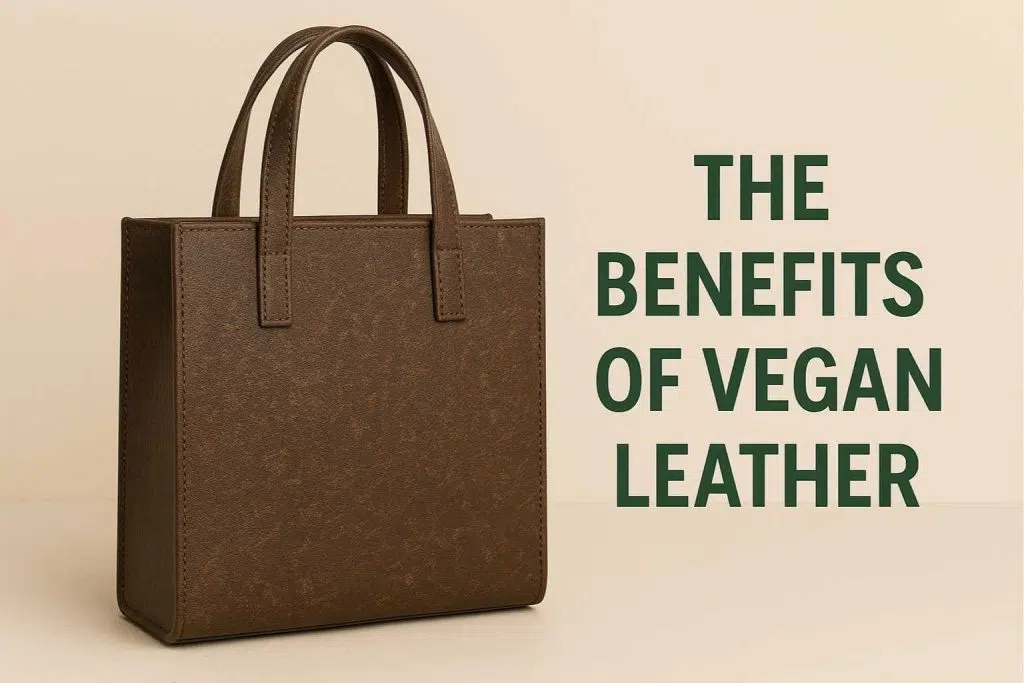
Why Sustainable Materials Matter
The fashion industry has long been criticized for its unsustainable practices, from harmful textile production processes to the environmental costs of traditional leather. Leather production, for example, involves significant water use, toxic chemicals for tanning, and deforestation for cattle farming. By embracing sustainable materials like bio-based vegan leathers, fashion brands are helping to reduce their environmental impact while also offering consumers a choice that aligns with their ethical values.
The Importance of Eco-Friendly Options in Fashion
Eco-friendly options in fashion don’t just minimize waste and pollution—they also promote animal welfare. With the rise of plant-based alternatives to leather, vegan leather bags made from materials such as apple, pineapple, cactus, mushroom, and mango leathers are gaining recognition for their reduced environmental footprint and cruelty-free properties.
Materials Used in Vegan Leather Bags (Including Bio-Based Materials)
When it comes to creating high-quality vegan leather bags, materials derived from plants are leading the way. These bio-based materials are not only sustainable but also versatile and durable, making them excellent choices for fashion accessories. Let’s explore some of the most popular eco-friendly materials used in vegan leather bags today.
Apple Leather (Uppeal™ by O My Bag)
Apple leather, also known as Uppeal™, is one of the most innovative materials in the world of vegan leather. Made from apple pomace, which is the waste product left over after apple juice production, this material offers a unique blend of eco-friendliness and durability. Uppeal™ is made by extracting fibers from the fruit’s skin, which are then processed into a soft, smooth material that mimics the look and feel of traditional leather.
Not only does apple leather reduce waste from the fruit industry, but it’s also biodegradable and water-resistant, making it an excellent choice for long-lasting bags.
Piñatex (Pineapple Leather)
Piñatex, made from the leaves of the pineapple plant, is a revolutionary material that has gained popularity in both fashion and furniture industries. The production of Piñatex involves extracting fibers from the leaves, which are then processed and woven into a durable, flexible material that resembles traditional leather.
Piñatex is incredibly lightweight and strong, with a texture that makes it suitable for a variety of fashion accessories, including bags, shoes, and upholstery. Additionally, its production process supports sustainable agriculture in developing countries by utilizing parts of the plant that would otherwise go to waste.
Cactus Leather (DESSERTO®)
Cactus leather, known by the brand name DESSERTO®, is made from the pads of the prickly pear cactus. This material is created by harvesting cactus leaves, which are then processed into a leather-like material that’s soft, durable, and flexible. DESSERTO® has become a highly sought-after material in the fashion world due to its impressive environmental benefits.
Cactus leather requires very little water compared to traditional leather production, and the cactus plants are grown in arid regions, which makes it an ideal material for sustainable leather alternatives. The process of creating cactus leather also uses natural dyes, making it a completely eco-friendly option.
Mushroom Leather
Mushroom leather, also known as mycelium leather, is derived from the root structure of mushrooms. This innovative material has been gaining attention for its sustainable properties and versatility. Mycelium is harvested, processed, and treated to create a material that mimics the texture and appearance of animal leather but is entirely plant-based.
Mushroom leather is not only biodegradable but also incredibly strong and durable, making it a great option for creating stylish and sustainable bags. The production of mushroom leather requires minimal resources, and its environmental impact is much lower than traditional leather.
Mango Leather
Mango leather is made from the skins and pits of mangoes that would otherwise be discarded. The production process involves turning these by-products into a soft, durable material that is similar in texture to traditional leather. Mango leather is not only biodegradable but also lightweight and flexible, making it a great choice for fashion accessories like vegan leather bags.
Using mango waste reduces food waste and supports the sustainable use of agricultural by-products, making it an ideal material for eco-conscious consumers.
How Vegan Leather Bags Are Made (Using Fruit Peels & Bio Materials)
The production of vegan leather bags starts with the careful selection of plant-based materials. Each bio-based leather material, from apple to mango leather, follows a similar process of harvesting, processing, and transforming into a usable material. Here’s a step-by-step breakdown of how some of these materials are made.
Step-by-Step Process for Producing Apple Leather
- Harvesting Apple Pomace: After apples are pressed for juice, the leftover skins, cores, and seeds are collected.
- Extracting Fiber: The pomace is processed to extract cellulose fibers, which are then purified and prepared for further processing.
- Turning into Leather: The fibers are combined with a bio-based resin to create a flexible, durable material that can be molded and shaped into various products, including bags.
How Piñatex is Made from Pineapple Leaves
- Harvesting Pineapple Leaves: The leaves of the pineapple plant are harvested after the fruit has been collected.
- Extracting Fibers: The fibers are separated from the leaves and cleaned.
- Weaving into Fabric: The fibers are then woven into a fabric that can be dyed and processed into a leather-like material.
Creating Cactus Leather and Its Environmental Benefits
- Harvesting Cactus Pads: The pads of the prickly pear cactus are harvested, typically without harming the plant.
- Processing into Leather: The pads are dried and processed into a flexible, durable material that resembles leather.
- Eco-Friendly Production: Cactus leather is biodegradable and requires minimal water, making it a sustainable option for fashion accessories.
The Making of Mushroom Leather and Its Sustainability
- Growing Mycelium: Mycelium is grown in controlled environments.
- Harvesting and Processing: The mycelium is harvested and treated to create a leather-like material that’s flexible and durable.
- Sustainable Production: The production process is low-impact and uses minimal resources, making mushroom leather one of the most sustainable vegan leathers.
Mango Leather Production Process
- Collecting Mango By-Products: Mango skins and pits are gathered from the fruit industry.
- Processing the Waste: The skins and pits are processed into a flexible material.
- Creating Vegan Leather: The processed mango leather is then used to create bags and other accessories.
Benefits of Vegan Leather Bags (Made with Fruit Peels and Bio Materials)
Choosing vegan leather bags made from bio-based materials offers a range of environmental, ethical, and practical benefits. Let’s take a look at why these bags are a superior choice compared to traditional leather.
Eco-Friendly Advantages Over Traditional Leather
Vegan leather bags made from materials like apple, pineapple, and cactus leathers have a much lower environmental impact than their animal-derived counterparts. They use fewer resources, such as water and land, and don’t rely on harmful chemicals like those used in leather tanning.
Durability and Versatility of Bio-Based Materials
Despite being plant-based, materials like Piñatex and mushroom leather are incredibly strong, flexible, and durable. These vegan leather bags are designed to last, making them an excellent investment for those who want long-lasting fashion items.
Reduced Environmental Impact (Water, Pesticide Use)
The environmental footprint of bio-based materials is significantly lower than that of traditional leather. For example, cactus leather requires very little water, while pineapple and apple leathers make use of agricultural waste that would otherwise be discarded.
Biodegradability and Waste Reduction
Bio-based vegan leathers are biodegradable, unlike their plastic counterparts. This makes them a more sustainable option, as they won’t contribute to long-term waste in landfills.
Vegan Leather Bags vs. Traditional Leather Bags (Made with Bio Materials)
Comparison of Environmental Footprints
Traditional leather production is resource-intensive, requiring large amounts of water and chemicals for tanning, not to mention the significant carbon footprint associated with cattle farming. Vegan leather bags made from bio-based materials, however, use fewer resources and are often biodegradable, reducing their environmental impact significantly.
Animal Cruelty Concerns with Traditional Leather
Unlike traditional leather, which involves animal slaughter, vegan leather bags are cruelty-free, making them a compassionate choice for those who want to avoid supporting industries that harm animals.
Durability and Maintenance of Vegan Leather
While traditional leather requires careful maintenance and can be prone to cracking, bio-based vegan leathers are designed for durability and ease of care, offering a long-lasting alternative that doesn’t require harsh chemicals for upkeep.
Aesthetic Appeal and Variety in Materials
Vegan leather bags made from bio-based materials come in a wide range of textures and colors, offering consumers plenty of options to match their style without sacrificing sustainability.
Popular Brands Making Vegan Leather Bags with Bio-Based Materials
Several brands are leading the way in creating beautiful vegan leather bags made from bio-based materials. Here are some top names in the industry:
- O My Bag (Uppeal™)
- Piñatex products from Various Brands
- DESSERTO® Cactus Leather Bags
- Mushroom Leather Brands
- Mango Leather Adoption in Fashion
Conclusion
The future of fashion is undeniably sustainable, and vegan leather bags made from bio-based materials are at the forefront of this revolution. With materials like apple, pineapple, cactus, mushroom, and mango leather, consumers now have access to stylish, durable, and eco-friendly alternatives to traditional leather. As demand for these sustainable options grows, we can expect more innovation in the field of bio-based fashion materials. By choosing vegan leather bags, you’re not only making a positive impact on the environment but also supporting the ethical treatment of animals.
Call to Action: Make a conscious choice today by investing in eco-friendly fashion. Choose vegan leather bags made from bio-based materials and be part of the sustainable fashion movement! Contact Us Now!