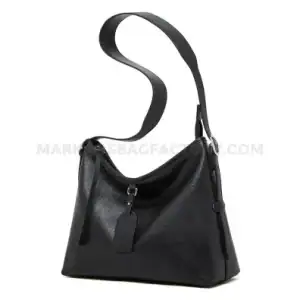
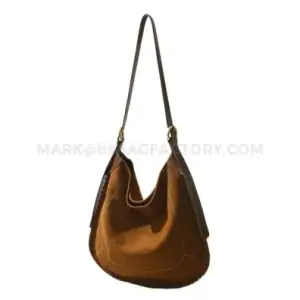
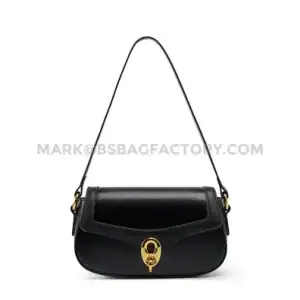
Luxury handbags
| LOGO | Accept OEM & ODM service / Customized |
| Type of factory | One-stop production/manufacturing/OEM/transportation for customers |
| MOQ | 50pcs in Genuine Leather / 100pcs with 2 colors in other materials. |
| Color | Black, Red, Blue, Brown, Or Customized colors are accepted. |
- 5-7days. According to the design.
- 500-1000pcs / day, 30000pcs / month
- Suport T/T Bank/WU/Alibaba for Payment
- DHL,UPS,FEDEX, TNT , Aramex , EMS , China Post , By Air , By Sea , etc
Luxury handbags
|
LOGO |
Accept OEM & ODM service / Customized |
| Type of factory | One-stop production/manufacturing/OEM/transportation for customers |
| MOQ | 50pcs in Genuine Leather / 100pcs with 2 colors in other materials. |
| Model Code | BS00169 |
| Color | Black, Red, Blue, Brown, Or Customized colors are accepted. |
| Materials Type | Genuine Leather, Pu Leather, Artificial leather, Faux leather, Or Customized materials are accepted. |
| Feature | Large capacity with compartments and customizable options. |
| Factory production capacity | 500-1000pcs / day, 20000pcs / month |
| Sample Leadtime | 5-7days. According to the design. |
| Bulk Order Leadtime | 30-45days. According to Design. |
| Dimension information | Length*Width*Height (26*9*11)cm Or Customized size is accepted. |
| Factory Packaging Method | 1 piece/ dust bag/ Plastic bag or Customized packaging is accepted. |
| Shipping method | DHL, UPS, FEDEX, TNT, Aramex, EMS, China Post, By Air, By Sea, etc |
| Special Service | Accepted Customized Metal Letters / Find bag materials from the market / A variety of logo-making options |
Luxury handbags are high-end fashion accessories, usually made by well-known brands, made of high-quality materials, expensive, and with unique designs and craftsmanship. Luxury handbags are not only functional items, but also a cultural symbol, symbolizing social status, taste, and lifestyle. Over time, luxury handbags have not only become a trendsetter, but also one of the symbols of luxury life pursued by many women and men.
1. Types
There are many types of luxury handbags, covering all kinds of products from classic styles to limited editions and special designs. Common types of luxury handbags include:
Tote Bag: A spacious design suitable for daily use. Most tote bags are simple, practical, and stylish, and are commonly seen in brands such as Chanel and Louis Vuitton.
Shoulder Bag: A handbag that can be hung on the shoulder, with a relatively simple design, suitable for daily travel. Shoulder bags like Gucci and Prada are well-loved for their classic style and comfortable design.
Top Handle Bag: This type of handbag needs to be held in the hand, and is usually more formal and elegant, and is commonly seen in brands such as Chanel and Hermès.
Crossbody Bag: It has an adjustable strap and can be worn diagonally, providing greater freedom of movement, and is suitable for daily convenient travel.
Clutch Bag: This type of bag is usually strapless and is suitable for formal occasions such as dinners and banquets. It is exquisitely designed and full of luxury.
Backpack: Although backpacks are more used for daily activities, luxury brands such as Louis Vuitton and Prada have also launched very luxurious backpacks for younger consumers.
2. Features
The characteristics of luxury handbags are not only reflected in their appearance and design, but also in their material selection, production process and brand culture. Specifically, the characteristics of luxury handbags include:
High-end materials: Luxury handbags often use extremely rare and high-quality leathers, such as calfskin, crocodile skin, snakeskin, etc. In addition, brands may also use elements such as high-quality fabrics, metals, and jewelry to add a sense of luxury.
Exquisite craftsmanship: Each luxury handbag is carefully made, often taking months to complete. Many brands still retain traditional handcrafts, such as Hermès’s hand-sewing techniques, to ensure the perfection of every detail.
Unique design: The design of luxury handbags is usually very artistic, often incorporating the brand’s iconic elements and creativity. Some designs are classic styles, such as Chanel’s 2.55 series, while others are limited editions, pursuing a unique look.
Symbol of identity: Luxury handbags are not just a fashion accessory, they symbolize social status and success. Owning a luxury brand handbag often means having a certain economic foundation and fashion taste.
3. Functionality
The functionality of luxury handbags is not limited to carrying items. They are often used as important accessories, matching clothes and styles for different occasions, showing the wearer’s taste and personality. Specifically, the functions of luxury handbags include:
Storage function: Although the primary function of luxury handbags is to carry personal items, they often have excellent space design and can reasonably store daily items such as wallets, mobile phones, and cosmetics.
Decorative function: Luxury handbags are often used as the core decoration of the entire outfit, playing a role in embellishing and enhancing the overall look. A luxury handbag can add highlights to a simple outfit.
Cultural and emotional functions: Luxury handbags often have a deep brand culture and emotional value. Many consumers buy luxury handbags not only to own a high-quality item, but also to reflect their recognition and following of a certain brand or designer.
4. Design vision
The design of luxury handbags focuses not only on aesthetics, but also on creating a unique lifestyle and emotional connection. Designers create handbags that are consistent with the brand concept and vision through their keen perception of fashion, in-depth understanding of consumer needs, and careful selection of materials and craftsmanship. Specifically, the design vision of luxury handbags can be divided into the following aspects:
Personality and innovation: Designers of luxury brands often advocate individuality and innovation, and strive to express their unique insights and attitudes towards fashion through unique design language. For example, Louis Vuitton’s Monogram series is a classic that combines the brand’s iconic pattern with modern design.
Inheritance and classics: Many luxury brands focus on inheriting classic designs and creating styles that can transcend fashion trends and last forever. Bags like Hermès’ Birkin bag and Chanel’s 2.55 bag have become iconic with their classic designs and irreplaceable brand values.
Environmental protection and sustainability: In recent years, more and more luxury brands have begun to pay attention to environmental protection and sustainable development, striving to reduce the impact on the environment in the design and production of handbags. For example, brands such as Gucci and Prada are launching series of handbags using environmentally friendly materials.
5. Application scenarios
Luxury handbags have a wide range of application scenarios. In addition to daily travel, they can also be used in combination according to different occasions. The main application scenarios include:
Daily life: Luxury handbags are very common in daily life. They can be used as a tool for daily travel and can also add a sense of overall wear.
Business occasions: Many luxury brands’ handbag designs are very suitable for formal occasions, such as business meetings, work environments, etc. The simple, elegant design can add a sense of professionalism and high-end temperament to business attire.
Dinners and parties: Dinner bags and clutch bags are particularly common in formal dinners and parties. They are usually exquisitely designed and paired with elegant evening wear, showing the wearer’s fashion taste.
Travel and vacation: Luxury handbags are also often used as travel accessories, especially in high-end vacations and travel occasions. Designer travel bags and tote bags are both practical and noble.
6. Maintenance
The maintenance of luxury handbags is crucial because their materials and craftsmanship are very delicate. If they are not properly maintained, they are easily damaged or lose their original luster. Here are some tips for luxury handbag care:
Avoid exposure to direct sunlight: Too much sunlight can cause the color of the handbag to fade, the leather to crack, and other problems. It is best to store the handbag in a cool and dry place.
Cleaning and wiping: Use a special cleaner and a soft cloth to wipe the handbag. Avoid using too rough items to avoid scratching the leather or other materials.
Regularly care for leather: For leather handbags, regularly use leather care oil or cream for maintenance to maintain the luster and softness of the leather.
Avoid contact with sharp objects: Avoid contact with sharp objects to avoid scratching or damaging the surface.
Use dust bags when storing: When not in use, you can put the handbag in a special dust bag to prevent dust and dirt from contamination.
Regularly check metal parts: Metal buckles, zippers and other parts also need to be checked regularly to ensure their normal use and prevent loosening or damage.